
Worth more alive: a day with the mantas of Nusa Penida
Oct 26
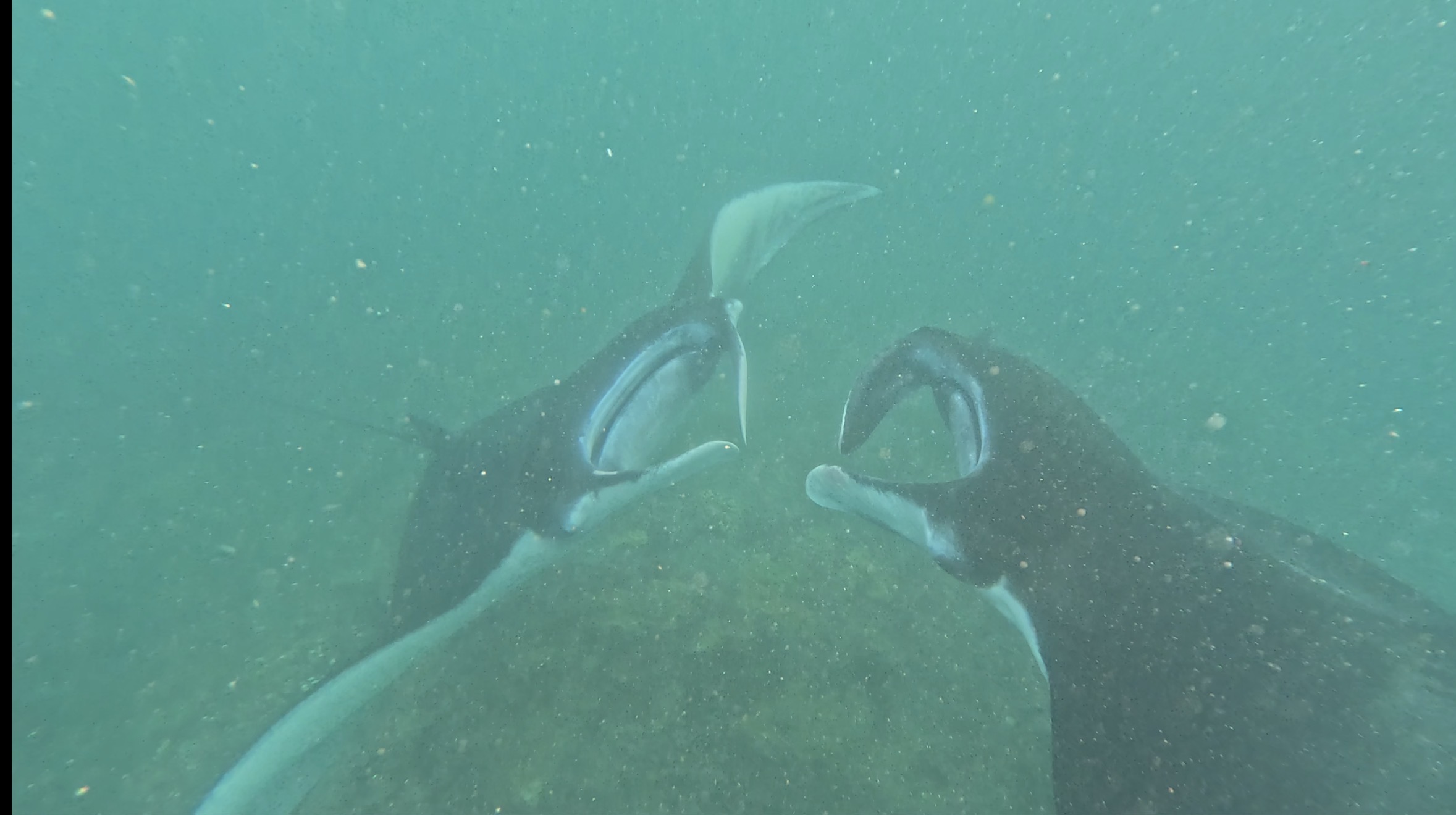
Three reef mantas, around 40 swimmers and no briefing. That was Manta Point off Nusa Penida, Bali, when we joined an ordinary tourist boat in October 2026.
We went as paying guests, not researchers. We wanted to see two things for ourselves: how manta tourism supports the local economy, and how the mantas respond to it.
A local industry
Our boat carried about 15 guests and a crew of three. Everyone we dealt with was Indonesian. Several boats were at the site at once, each with its own crew.
Across Indonesia this adds up. The country ranks second in the world for manta tourism, worth an estimated US$15 million a year. Around Nusa Penida alone, manta tourism has been valued at about US$3.5 million a year. A manta killed for its gill plates fetches a few hundred dollars, once.
That gap is why Indonesia protected manta rays across its entire waters in 2014. Tourism gave a living manta a clear value, and the law followed.
How the mantas responded
The three mantas were feeding, mouths wide open and head fins unrolled, sweeping through plankton-rich water. With around 40 people in the water from the various boats, they didn't appear bothered. They simply carried on feeding.
That looks reassuring, but one visit doesn't tell the whole story. Manta Point is where adult mantas come to be cleaned and to court. Long-term studies there found boat numbers up by about 60% since 2012, with crowds peaking in the mating season. Researchers warn that crowding and engine noise can cause chronic stress that a single snorkel won't reveal.
What we'd change
We received no briefing on how to behave around the mantas. A short talk before entering the water would cost nothing. Keep your distance, never touch, don't chase or block a manta's path, and give it room to leave.
Local authorities have introduced a code of conduct for the marine protected area. The next step is making sure it reaches every boat and every swimmer.
What you can do
If you swim with mantas, choose operators who brief their guests. Try to get a clear photo of the manta's belly too. Every manta has a unique spot pattern, and photos sent to Manta Matcher help researchers track individuals over years.
Manta tourism is already a conservation success story. Done well, it can stay one.
Research. Respect. Protect.


